
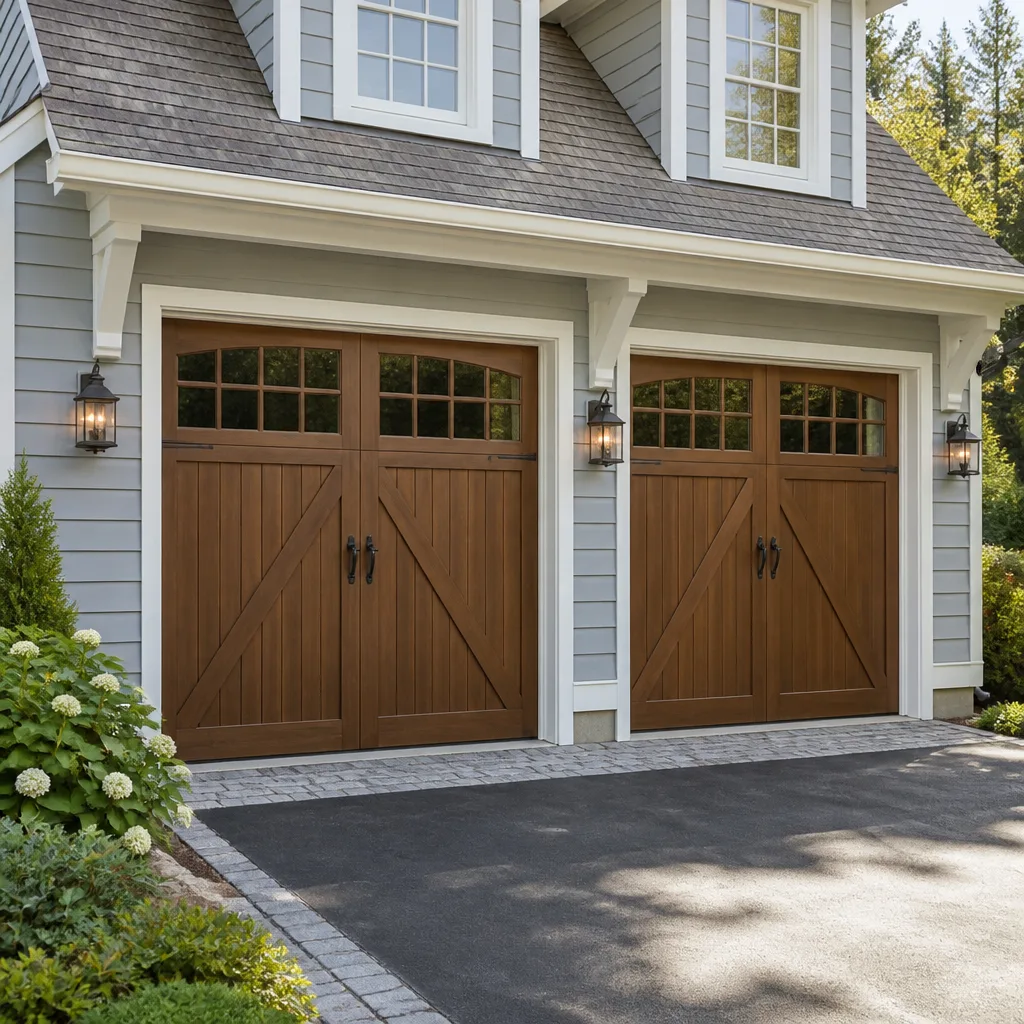
 Carriage house
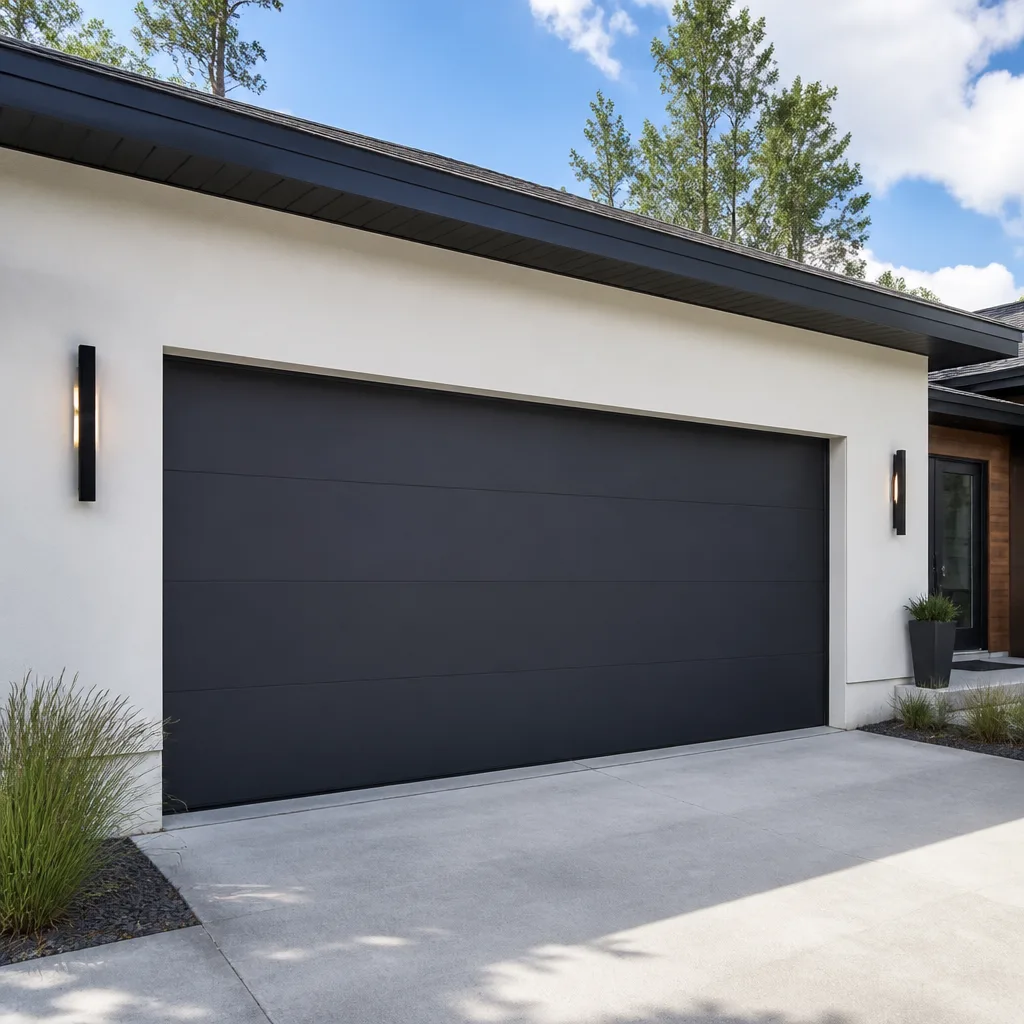 Modern flush
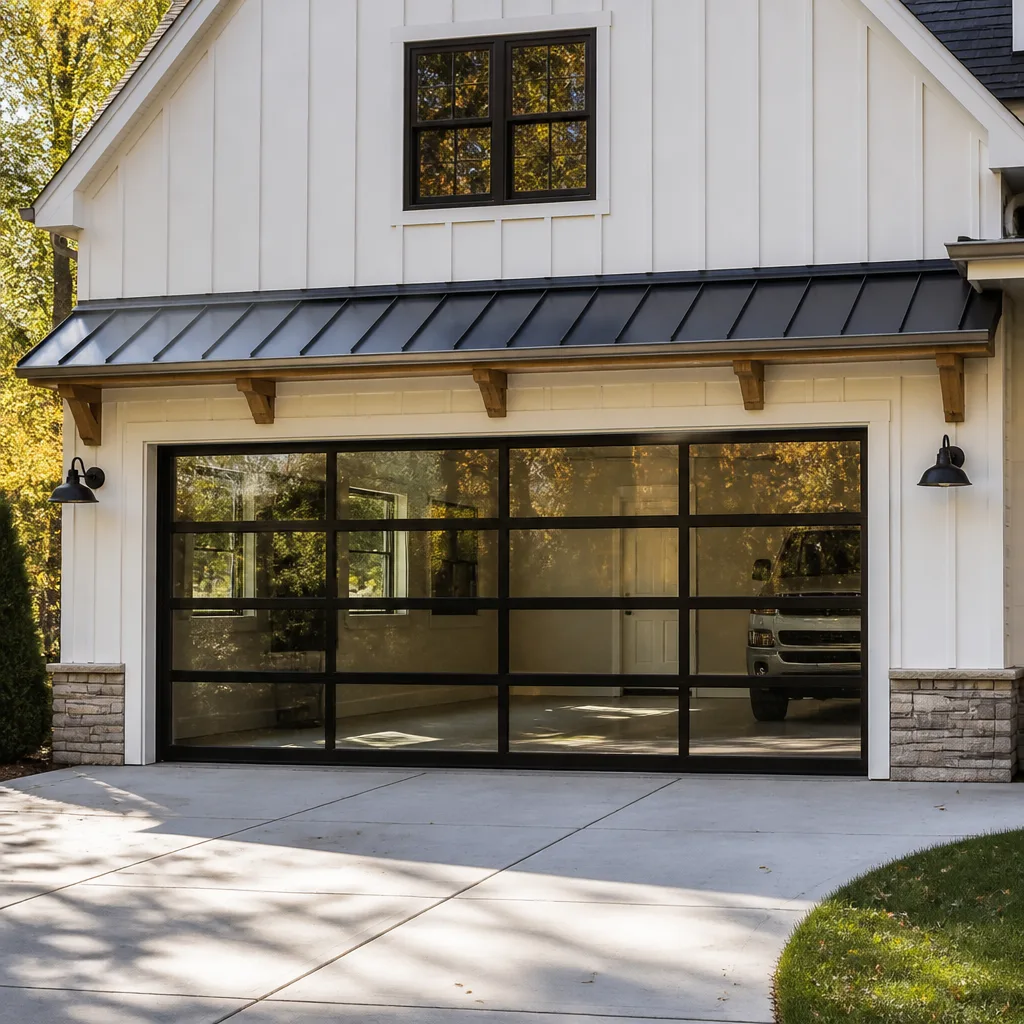 Full-view glass
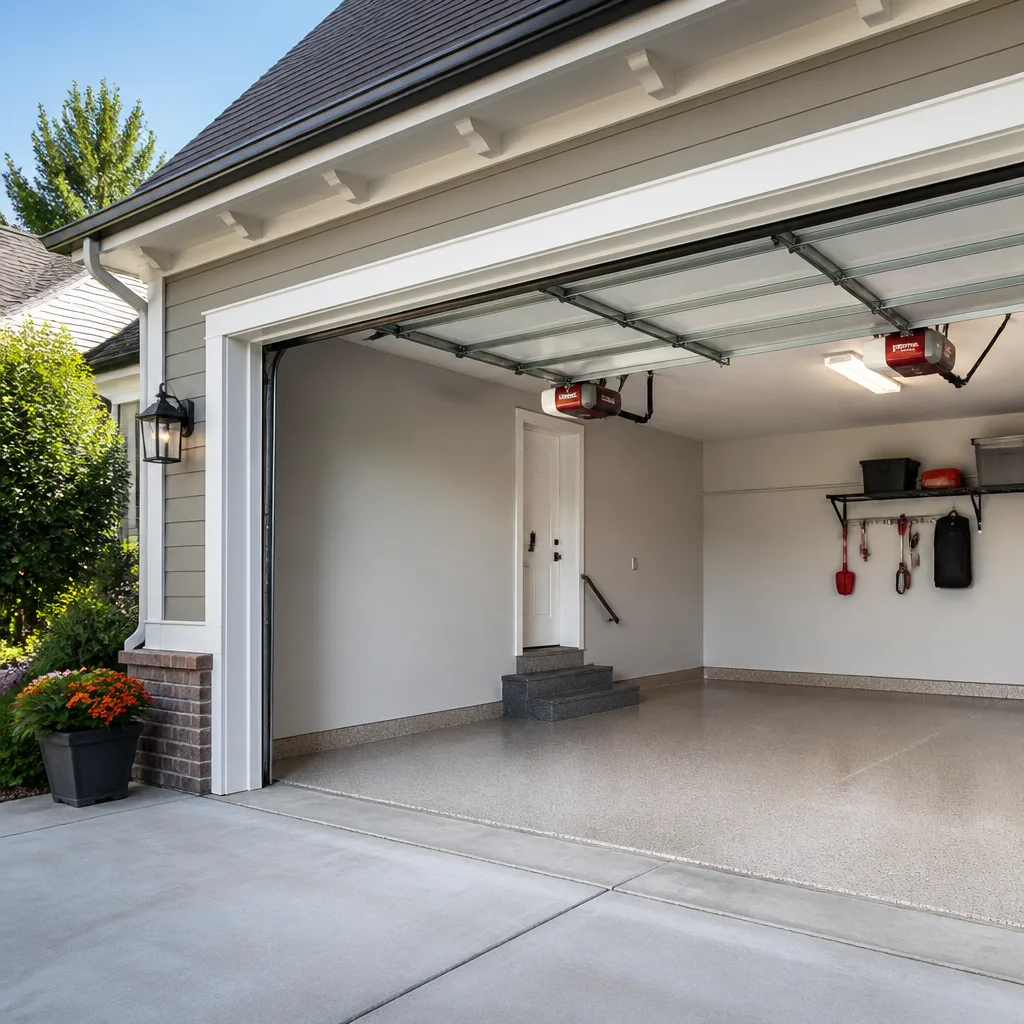 LiftMaster openers
 Chamberlain openers
Full 25-point door and opener safety check with every visit - springs, cables, rollers, tracks, and your LiftMaster or Chamberlain opener included
You get a price before we start. It does not change when the truck arrives.
Get your free estimateRaynor Weather Seal Replacement: The Jacksonville Owner’s Guide
Raynor weather seal replacement in Jacksonville typically runs $80 to $180 installed, depending on your door width and whether it’s the bottom seal, the side jamb seals, or both. We stock Raynor-compatible seals on our trucks for most door widths, so this is usually a same-visit fix, not a scheduled follow-up. Most Jacksonville homeowners discover the problem the hard way: a line of daylight under the door, a spike in the electric bill, or puddled water on the garage floor after one of our summer downpours.
Here’s what usually happens. The bottom weather seal, that pliable rubber strip along the base of your Raynor door, hardens and cracks over time. Between Jacksonville’s heat and humidity, rubber compounds lose flexibility faster than they would in a drier climate. Once that seal shrinks or splits, water, bugs, dust, and outside air slip right under the door. The side and top seals fail more slowly, but they’re just as visible when they go: you’ll see light gaps, feel drafts, and after heavy rain, you’ll find the telltale damp spots along the garage wall.
The good news is this is one of the least expensive parts on a garage door system, and a fresh seal makes an immediate difference in how the door sounds, seals, and sits against the concrete. Call (904) 549-9535 and we’ll confirm your door width and get the right seal on the truck before we head over.
Which Raynor Models This Applies To
Raynor builds its residential doors across several series: the Aspen, Grand Vista, and RockCreeke lines are common in Jacksonville homes, along with the commercial-grade American Building Series that occasionally shows up on high-end townhome or carriage-house projects. The weather seal question isn’t really about the series, though. It comes down to two things: the width of your door and the type of bottom retainer your Raynor door uses.
Raynor uses two main bottom seal configurations. The older, more common setup is a T-style retainer, where the rubber seal slides into an aluminum channel mounted to the bottom of the door. The other, found on many newer Raynor panels, is a round-bulb seal that snaps into a circular track. They are not interchangeable, and forcing the wrong one into the channel just destroys the new seal and leaves the old problem unsolved. The easiest way to identify what you have is to look at the bottom edge of the door while it’s closed, or take a photo of the seal cross-section with your phone next time it’s open. A half-inch difference in T-channel width is the difference between a snug fit and a seal that pops out every time the door cycles.
For Raynor specifically, we recommend sticking with a high-grade neoprene or EPDM rubber seal rather than a bargain vinyl replacement. Vinyl hardens fast in Florida heat and loses its memory, the ability to bounce back after being compressed. That means gaps within a year. A quality aftermarket rubber seal matched to your exact retainer shape will last two to three times as long as a cheap universal. We’re an independent service provider, not affiliated with Raynor, but we install seals that match or exceed the factory spec and carry them to fit the doors we see most across Jacksonville.
Styles & brands we work with
Signs Your Raynor Weather Seal Replacement Is Failing
- You can see daylight under the door. This is the clearest sign. When the door is closed, kneel down and look along the base. If light gets in, water, bugs, and air get in too. It usually means the bottom seal has compressed past its ability to rebound, or it’s cracked at the corners where the panels meet.
- Water pools on the garage floor after rain. Jacksonville storms come fast and hard. If the floor near the door stays wet long after the rest of the driveway dries, the seal isn’t making contact. Over time that standing water damages concrete, rusts tool cabinets, and invites mold in the humid months.
- Your energy bill creeps up in summer. A failed seal turns the garage into an uninsulated cavity, and if your water heater or air handler sits in there, it works harder. One of the cheapest efficiency fixes in a Florida home is a tight garage door seal.
- The seal looks flattened, stiff, or misshapen. Run your fingers along the rubber, if it feels like hard plastic instead of pliable rubber, the elastomer has broken down. Jacksonville’s UV exposure accelerates this, especially on south-facing doors that sit in direct sun all day.
- You hear wind whistling around the edges. That’s the side and top jamb seals. They degrade slower than the bottom, but when they shrink, gaps open up. You’ll notice it most on windy days or when a storm front pushes through.
See the difference
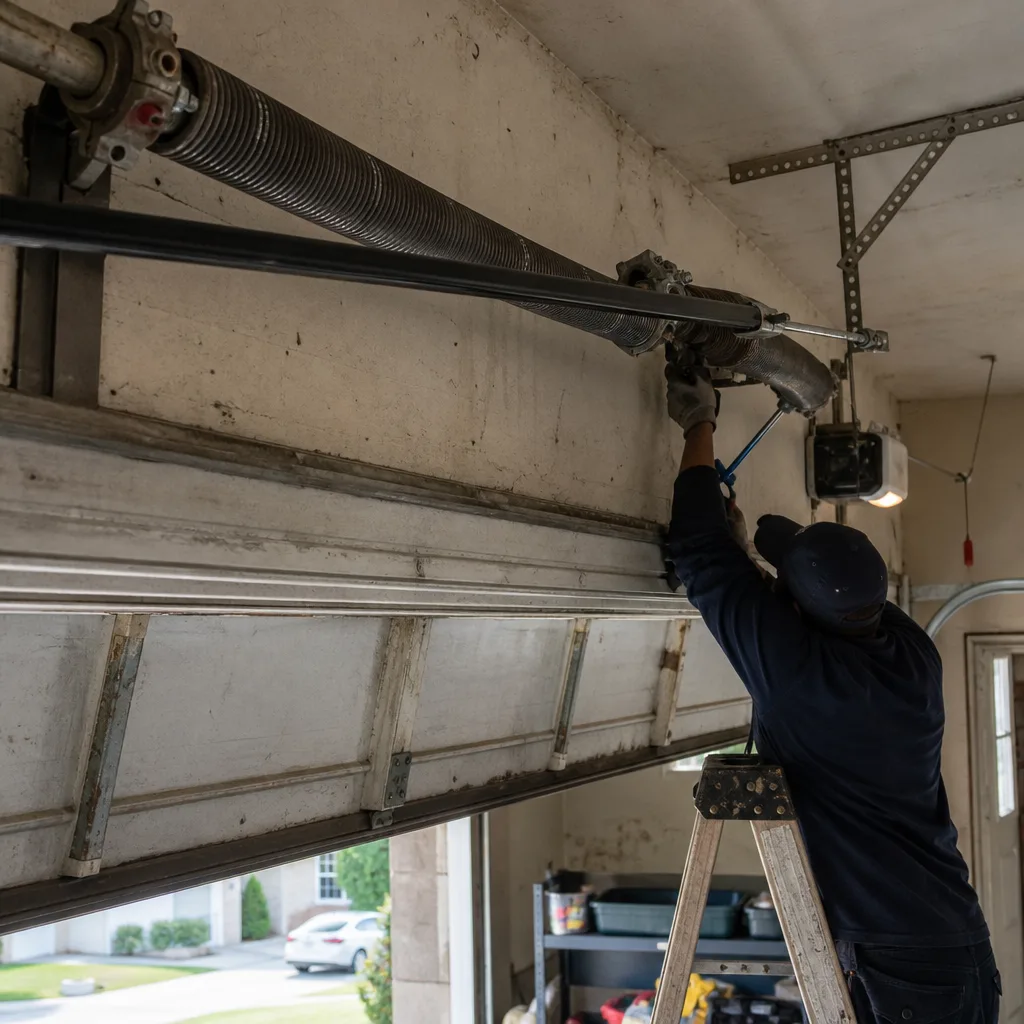 Before
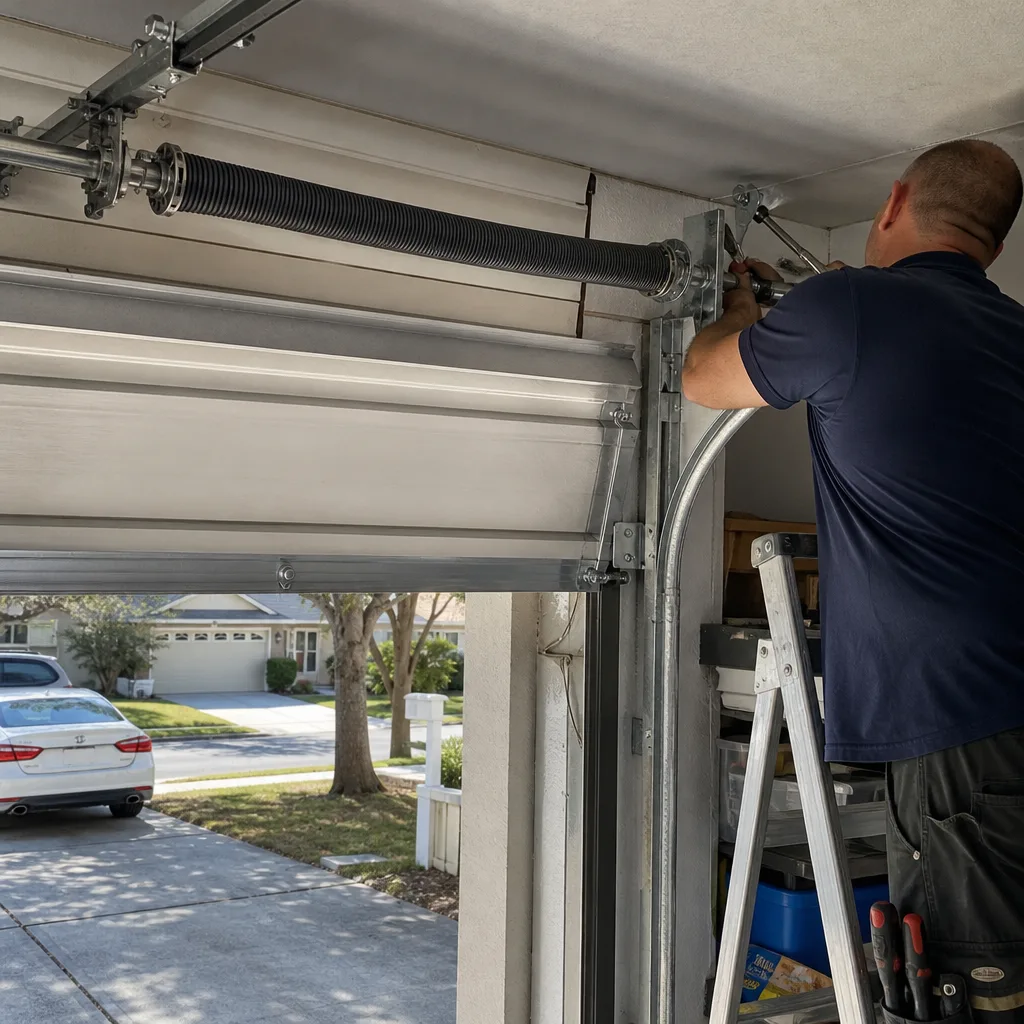 After
After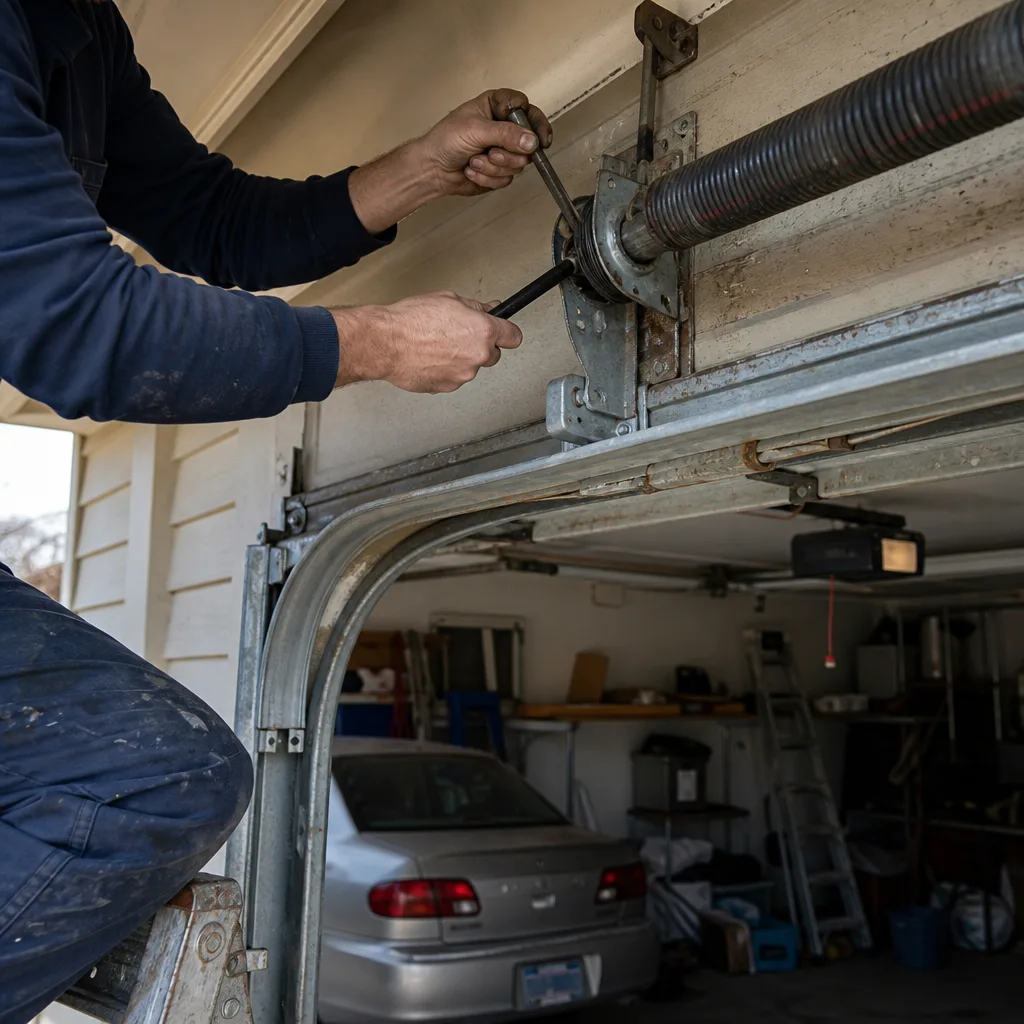 Before
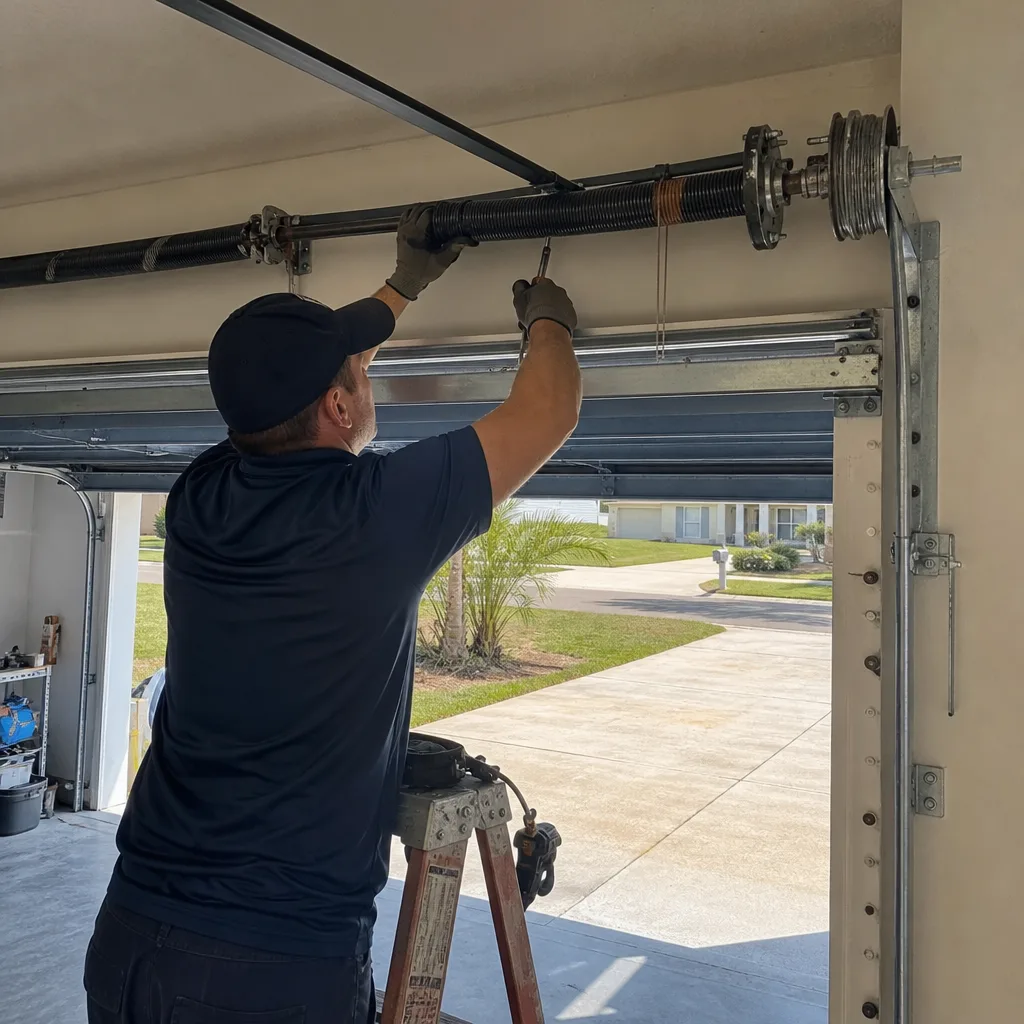 After
After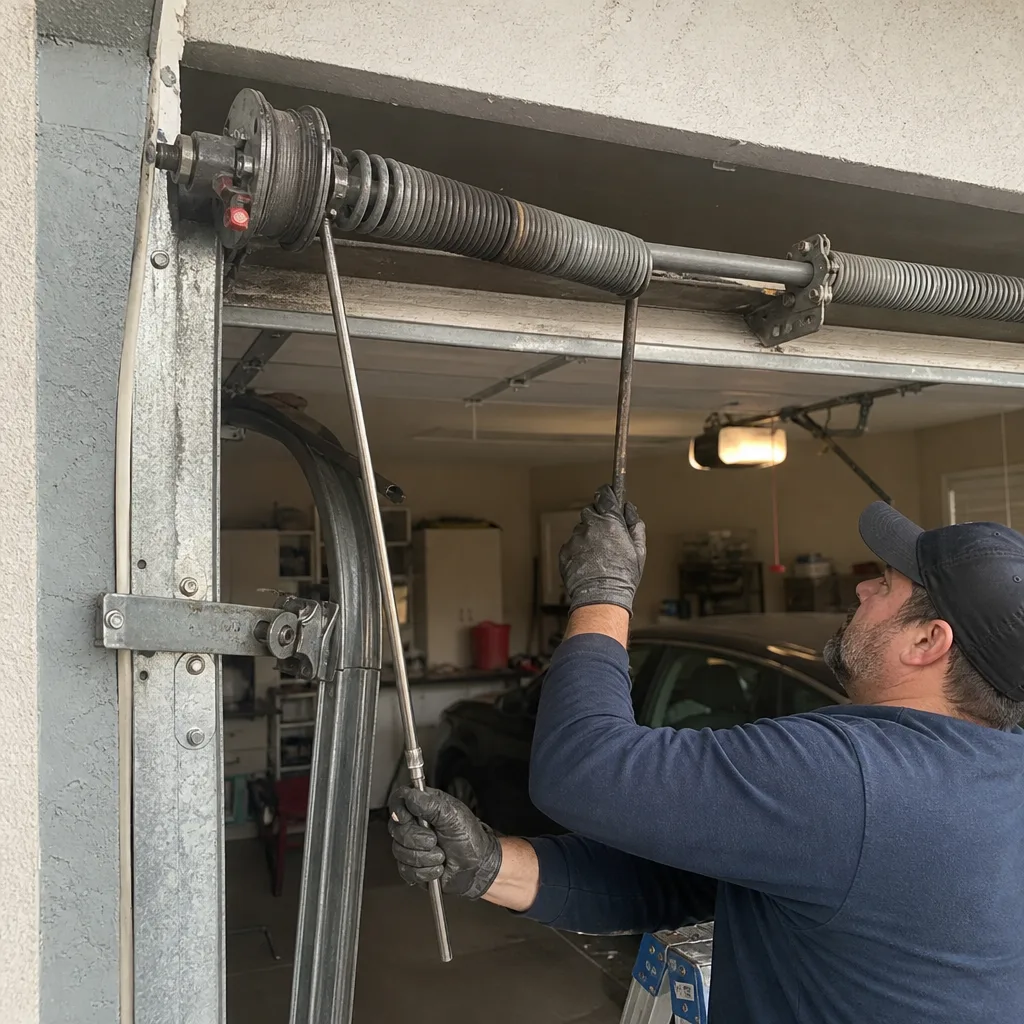 Before
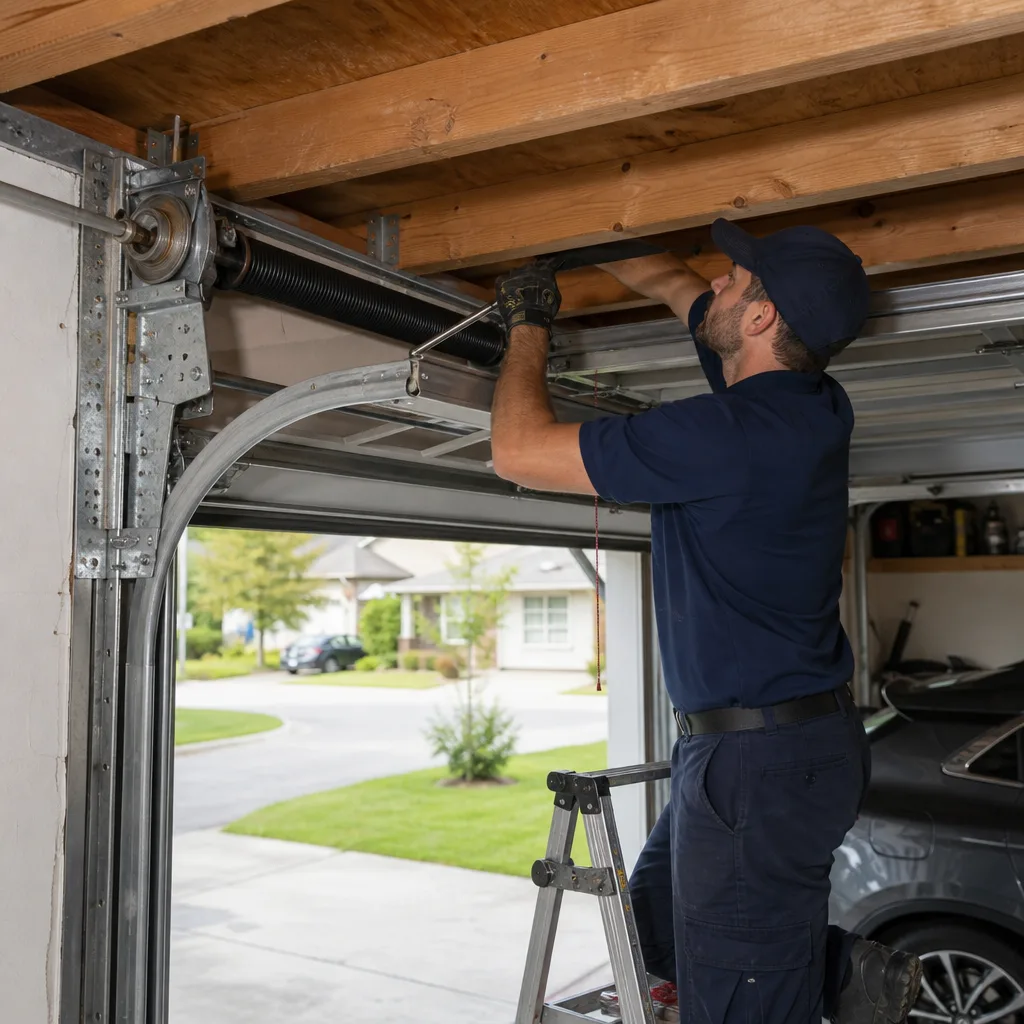 After
AfterReplacement Cost & What’s Included
In Jacksonville, bottom weather seal replacement for a Raynor door typically runs $80 to $130 for a standard single or double door. If the side and top jamb seals need replacement, the total job usually lands between $110 and $180. Most full-perimeter reseals we do fall right around $150. The exact number depends on door width, whether your door has one bottom retainer or two, and how much of the old aluminum channel needs cleaning or rebuilding before the new seal goes in.
Every quote we write includes the part, the labor, and the cleanup. We don’t separate them after the fact or spring a “mobilization fee” on you. The price you see on the written estimate is the price you pay, period. The price is quoted and agreed before any work starts, and it’s handed to you in writing before we touch a single bolt. That work is backed by our 365-Day Done Right Promise: if the seal fails within 365 days of the repair, we come back and make it right at no charge. You’ll know the name, the price, and what we’re going to replace before we ever pull into your driveway.
DIY or Call Us?
Weather seal replacement is one of the few garage door jobs an ambitious homeowner can genuinely do themselves, provided the door is already safely sitting open and they’re not climbing on anything. The risk isn’t really the seal. It’s what lives near the seal. The bottom brackets on a Raynor door are connected to the lift cables, and those cables are under enough tension to cause real injury if the bracket loosens while you’re working at ground level. We don’t recommend removing any bolts on the bottom section unless you’re comfortable with that tension and know how to secure the door first.
What’s safe to check on your own: measure the width of the seal, snap a photo of the cross-section, and see if the old seal slides out of its channel with a firm pull. That tells us a lot before we arrive. If the channel is bent, corroded, or packed with decades of Florida dirt, call us. That’s the kind of repair where the project goes from thirty minutes to half a day in a hurry. For a seal that’s simply old and tired, we can have it swapped, tested under the door, and the old strip hauled away before you finish a cup of coffee. Call (904) 549-9535 and tell us your Raynor’s width. We’ll bring the right part.
FAQs
A quality rubber weather seal on a Jacksonville garage door typically lasts four to seven years, depending on sun exposure and how often the door cycles. South-facing doors in direct UV tend to degrade toward the shorter end, and doors used four or more times daily compress the rubber faster. When the seal starts feeling stiff instead of pliable, plan for replacement. Call us and we’ll inspect it and give you a straight answer on condition.
A cracked or split bottom seal can’t be meaningfully patched. Adhesives and fillers don’t hold on flexible rubber that compresses every time the door closes, and the repair usually fails within weeks. Full replacement is also the cheaper option in the long run, since patched seals fail again and let water back in. For an exact quote on your door, call (904) 549-9535, estimates are free.
A straight bottom seal swap on a Raynor door takes thirty to forty-five minutes once we’re on site. Full perimeter replacement, bottom plus side and top jamb seals, runs closer to ninety minutes when the old channels are salvageable. If the aluminum retainer channel needs cleaning or rebuilding, it can add another half hour. We’ll tell you before we start, not after.
Yes. Our trucks carry Raynor-compatible bottom seals for the T-style and round-bulb retainers in the most common widths we see across Jacksonville, including the Mandarin, Riverside, and Southside neighborhoods. We also carry universal replacement trim for the top and sides. If your door is an unusual width or uses an older Raynor profile, we’ll measure precisely and have the right seal in hand before we schedule the install.
If your Raynor garage door is leaking daylight or water along the bottom, don’t nurse it another Florida storm season. Call (904) 549-9535 and we’ll give you a written price for the seal, the install, and the cleanup before we even set foot in your garage. A live person answers day and night, and we’ll send you the technician’s name and photo before anyone shows up at your door.
Written by Aaron Teague, Owner, Doyle Garage Doors Jacksonville at Doyle Garage Doors Jacksonville, serving Jacksonville and nearby areas.