
Last updated October 16, 2026
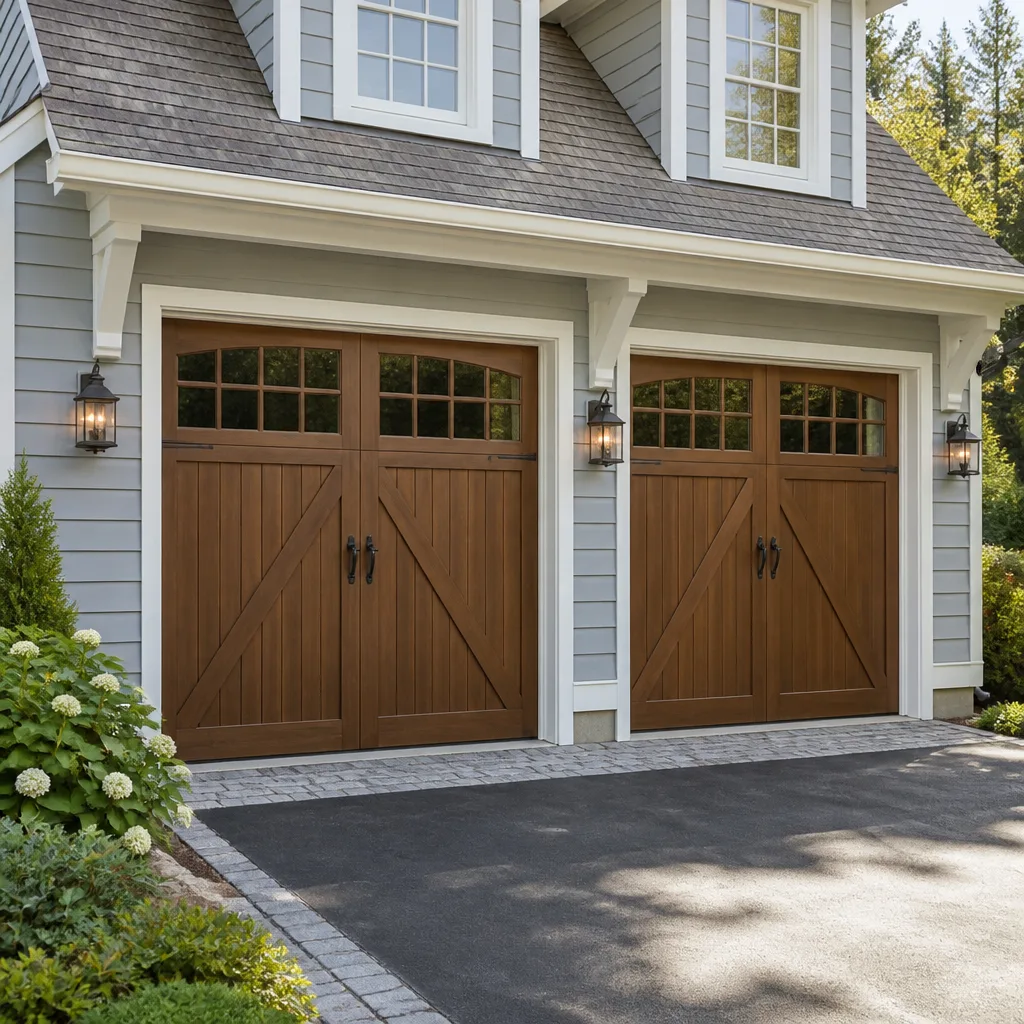 Carriage house
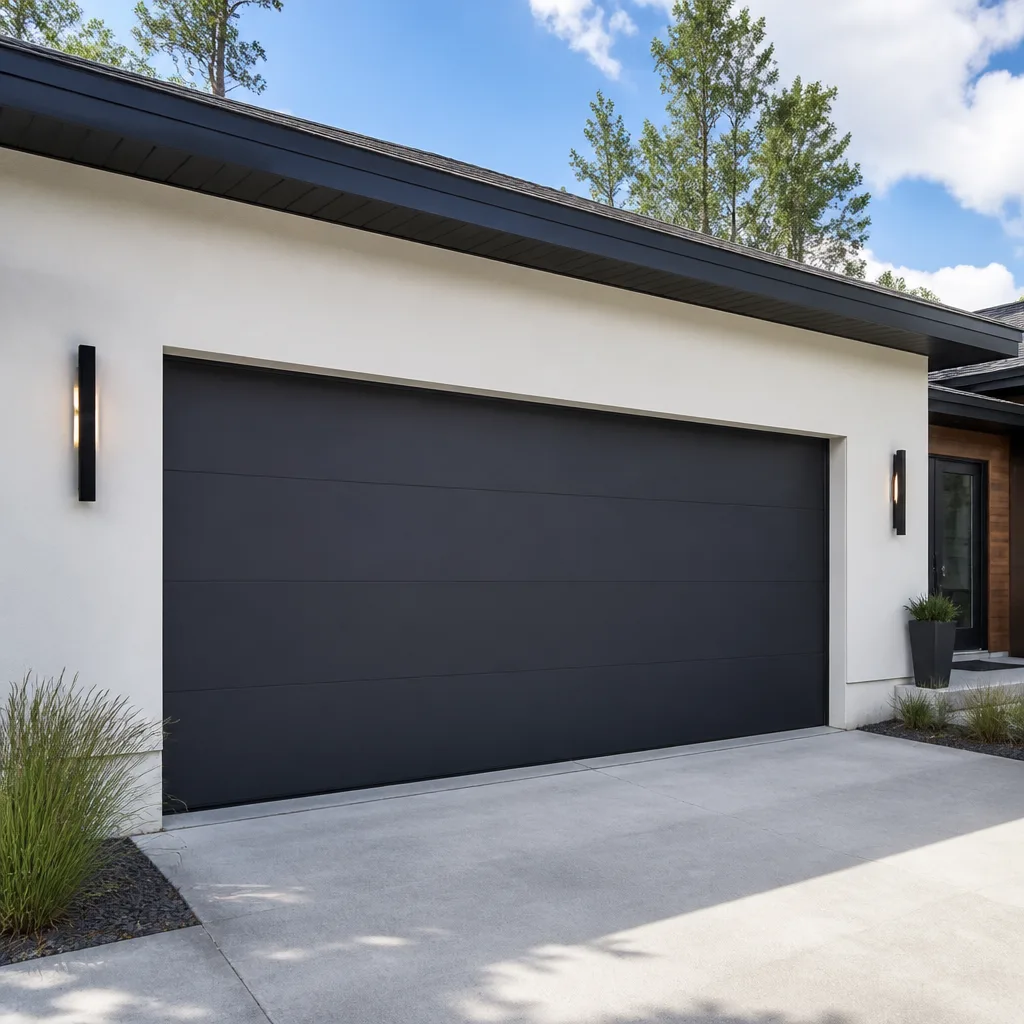 Modern flush
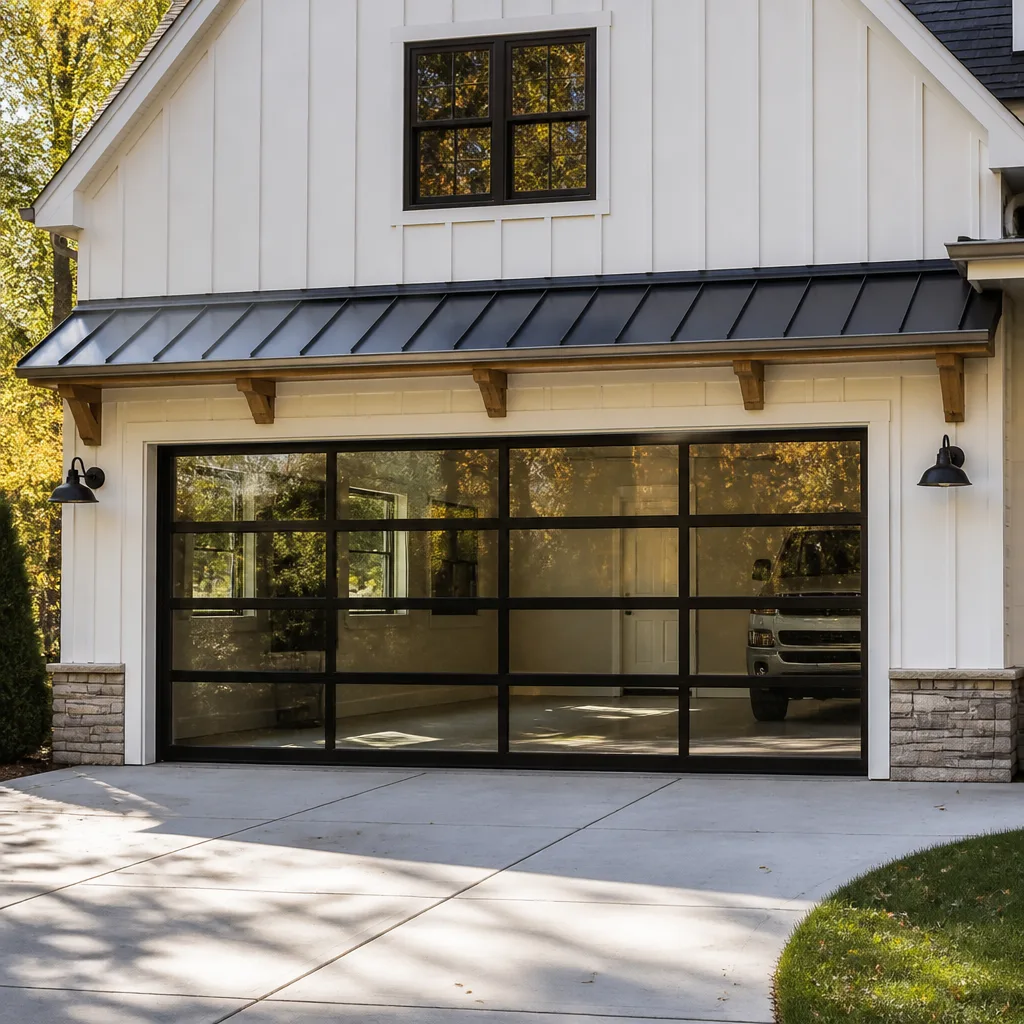 Full-view glass
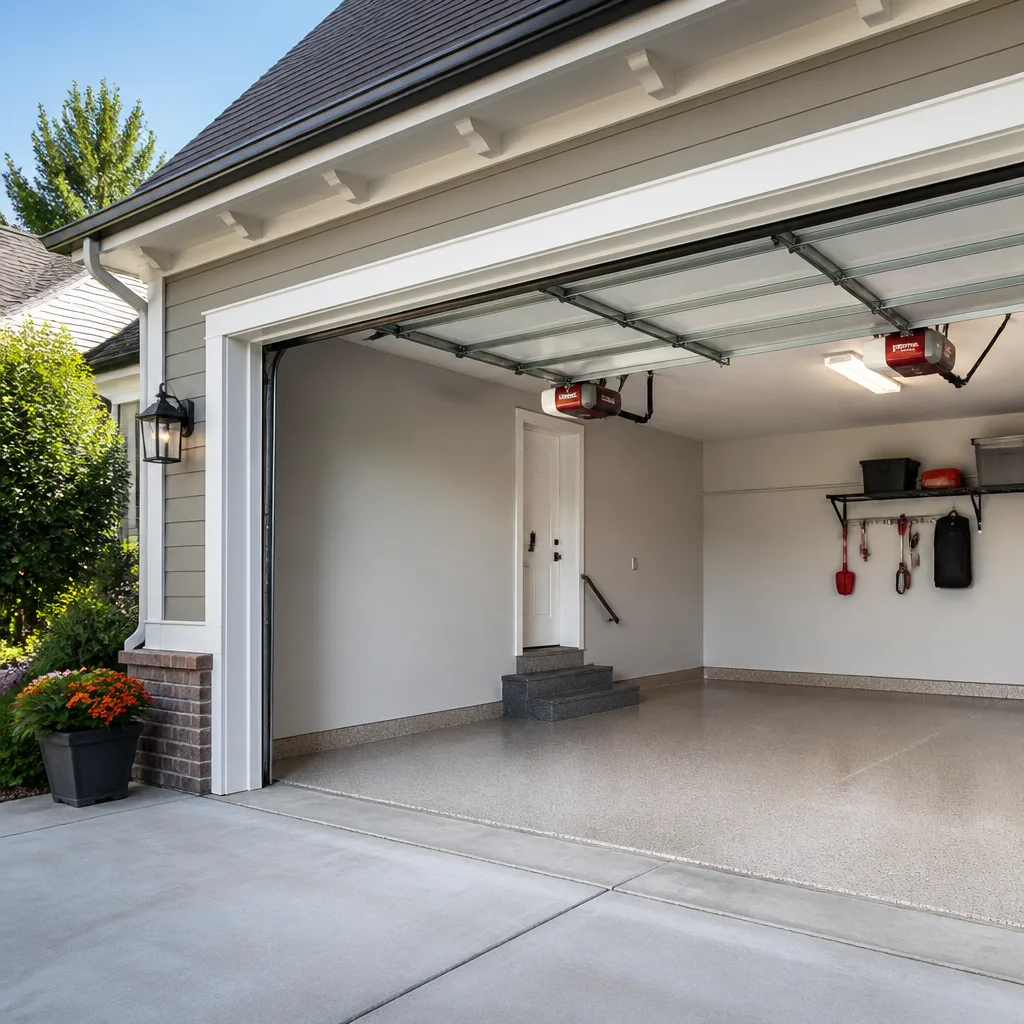 LiftMaster openers
 Chamberlain openers
Full 25-point door and opener safety check with every visit - springs, cables, rollers, tracks, and your LiftMaster or Chamberlain opener included
You get a price before we start. It does not change when the truck arrives.
Get your free estimateGarage Door Permits, Codes & Inspections in FL: What You Need to Know
A garage door replacement in Florida that skips the permit process doesn’t just risk a fine. It creates an unpermitted material alteration that some insurers use to deny hurricane damage claims, a fact most contractors installing doors never mention. Jacksonville sits in a wind-borne debris region with some of the strictest garage door wind-load requirements in the United States, and what you don’t know about permits before you replace your door can quietly void your homeowners insurance coverage without a single warning letter. This guide walks through exactly when Duval County requires a permit, what the Florida Building Code demands of your door, how the inspection process works, and what to do if you discover an unpermitted door on a home you own or are buying. For Garage Door Warning Signs: A Jacksonville Homeowner’s Reference Guide, see our companion article.
Quick Answer
A full garage door replacement in Jacksonville requires a permit through the City of Jacksonville Building Inspection Division, and the new door must carry a Florida Product Approval (FL Number) with a design pressure (DP) rating that meets the wind speed zone for your specific address. Repairs that swap hardware like springs, cables, or openers without changing the door itself generally do not require a permit. Skipping the permit on a replacement creates a permanent record in the Duval County property file that insurers can and do use to deny claims after storms, and it also surfaces during title searches when you sell. Our Garage Door Repair Maintenance Checklist for Jacksonville Homeowners covers how to spot permit issues before they become problems.
Styles & brands we work with
Table of Contents
- When Is a Garage Door Permit Required in Duval County?
- Florida Building Code Wind-Load Requirements for Garage Doors, Explained
- FL Number vs. “Hurricane Rated”: The Difference That Matters
- The Duval County Garage Door Inspection Process, Step by Step
- What Happens When an Unpermitted Door Is Discovered
- How to Retroactively Correct an Unpermitted Garage Door Installation
- What Garage Door Permits Cost in Jacksonville
- Common Mistakes to Avoid
- When to Call a Professional
- Frequently Asked Questions
When Is a Garage Door Permit Required in Duval County?
Here’s the rule in plain language: if the garage door itself comes off the opening and a different door goes on, you need a permit. That’s true for a full replacement, a door that’s a different size than the original, or a door that’s being moved to a different location on the home. The City of Jacksonville Building Inspection Division treats a garage door as part of the building envelope, not a piece of furniture, so swapping it triggers the same permitting logic as replacing a window or an exterior door.
Repairs are different. Replacing a broken torsion spring, the large coil mounted above the door that does most of the lifting, does not require a permit. Swapping out a bent track section, replacing cables, or installing a new opener also falls under repair work that the City does not permit. The distinction Jacksonville inspectors apply is whether the work changes the door’s structural role in the wall. Hardware repairs do not. Whole-door replacements do.
The “like-for-like” question comes up constantly, and Jacksonville’s local amendment is stricter than many homeowners expect. Like-for-like under Duval County code means the replacement door must be the same size, same weight class, same wind-load rating, and same structural attachment as the original. A door that looks identical from the curb but carries a lower design pressure rating is not like-for-like, and it will fail inspection. We see this happen in Ortega, Riverside, and San Marco where older homes are common: a homeowner buys a door that visually matches the street character, but the manufacturer never submitted that exact model and size for Florida Product Approval, and the permit gets hung up.
There’s also a dollar threshold repair question that deserves a direct answer. Duval County does not currently require permits for repair work based on cost alone. A $1,500 spring and cable job does not need a permit. A $900 panel replacement does not need a permit, provided the door structure itself remains. The permit trigger is the door unit being replaced, not the invoice amount.
When a permit IS required in Jacksonville:
- Full garage door replacement, regardless of whether the new door is the same size
- Installing a garage door where none existed (new construction or a converted carport)
- Enlarging or reducing the garage door opening
- Any change that alters the door’s wind-load rating or structural attachment to the home
When a permit is NOT required in Jacksonville:
- Replacing springs, cables, rollers, hinges, or tracks
- Repairing or replacing the opener motor, rail, or trolley carriage
- Replacing individual panels without changing the overall door structure
- Cosmetic work that does not touch the door’s structural mounting
If you’re unsure whether your project crosses the line, call the Jacksonville Building Inspection Division before work starts. Getting a verbal answer takes less time than fixing an unpermitted installation later, and it costs nothing.
Florida Building Code Wind-Load Requirements for Garage Doors, Explained
Florida’s post-Hurricane Andrew building code overhaul reshaped how every exterior opening on a home is engineered, and garage doors got specific attention because they’re the largest single opening in most houses. A garage door that blows inward during a storm pressurizes the entire structure, and that pressure differential is what takes roofs off. The Florida Building Code Section 1609 sets design pressure requirements based on wind speed maps, and Jacksonville falls into a wind speed zone that ranges from roughly 130 mph to 150 mph depending on your exact location within Duval County.
Design pressure, abbreviated DP, is the measure of wind force your door must withstand before it fails. Think of it this way: a DP-50 door is engineered to hold against 50 pounds of pressure per square foot. Jacksonville homes near the St. Johns River and the beaches generally require a higher DP rating than homes further inland, because wind speeds are modeled higher near open water. The zip code you live in, not the look of the door, determines the minimum DP your garage door must carry.
For practical purposes, most garage doors installed in Jacksonville today need a minimum DP rating of 50 for a standard single-car door and DP-40 or higher for larger double doors, but the exact requirement is calculated per opening using the door’s size, height above ground, and proximity to the coast. A door that’s 16 feet wide and 8 feet tall needs a different calculation than a 9-by-7, even on the same street. This is why a permit and a product approval number matter: the door manufacturer has already tested that exact size and configuration to a specific pressure rating, and the inspector verifies the installed door matches the approved design.
Most national brands including Clopay and Amarr produce Florida-approved door lines with published DP ratings. What trips up homeowners is ordering a generic version of a brand-name door online. A Clopay door sold through a Florida distributor with an FL Number attached is approved for wind load. A Clopay door that looks similar but was distributed through an out-of-state warehouse may carry no Florida Product Approval at all, even though the steel gauge and panel design are identical to the approved model. The paperwork is the difference, and the inspector only cares about the paperwork.
FL Number vs. “Hurricane Rated”: The Difference That Matters
“Hurricane rated” is marketing language. An FL Number is a legal certification. Here’s the distinction: any manufacturer can print the words “hurricane rated” or “storm ready” on a box if their door passed some internal testing. But a Florida Product Approval number, formatted like FL 12345.1, means the Florida Building Commission reviewed the door’s engineering, tested it to specific wind pressures, and listed it in the state database as approved for installation in Florida. Inspectors in Duval County check the state database, not the box.
The approval is door-specific, size-specific, and configuration-specific. A Genie opener has nothing to do with this. The approval attaches to the door panel itself. A Chamberlain-branded door line might carry approval for a 16-by-7 door but not for a 16-by-8. An Amarr door approved in white with standard tracks might not be approved in black with high-lift tracks, because the track configuration changes how the door transfers wind load into the wall.
You can look up any FL Number yourself at the Florida Building Commission’s product approval database. Enter the number printed on the door’s paperwork, and the database shows the approved sizes, the tested DP ratings, and the installation requirements. A door with a valid FL Number but installed outside its approved size range fails inspection just as completely as a door with no approval at all.
Here’s a detail most guides skip: even an approved door can fail inspection if the installation doesn’t match the approval’s attachment schedule. The Florida Product Approval specifies exactly which fasteners hold the track to the jamb, how many, and at what spacing. An installer who hangs the track with the wrong screws, even in the right door, creates an unapproved installation. This is a common reason Duval County inspectors flag garage door work on remodel flips. The door is right. The screws are wrong. The approval is void. This is the kind of detail our team at Garage Door Installation in Jacksonville verifies measure against before we pull a screw, because correcting it after inspection is slower than doing it right the first time.
The Duval County Garage Door Inspection Process, Step by Step
The Jacksonville permit inspection process follows a consistent sequence, and knowing it before you start removes most of the anxiety people bring to the project. Here’s how it works, in order:
- Permit application: The contractor or homeowner files a permit application with the City of Jacksonville Building Inspection Division. The application includes the door’s make, model, FL Number, and the design pressure rating. For most residential replacements, this is a straightforward application with a same-week review.
- Permit issuance: Once approved, the City issues a permit card that must remain posted at the job site during the work. The permit number ties directly to the property’s address in the Duval County system.
- Installation: The door goes in per the product approval’s attachment requirements. If the installer deviates from the approval, that deviation must be corrected before inspection, not explained away after.
- Inspection request: Either the contractor or the homeowner calls the City’s inspection line or logs into the online portal to request the final inspection. This happens after the door is fully installed and the work area is accessible.
- Final inspection: A City of Jacksonville inspector visits the property, verifies the door matches the permit application, checks the FL Number against the state database, and visually confirms the attachment. For residential garage doors, final inspections typically take 15 to 30 minutes.
- Approval: The inspector signs off, and the permit is closed in the system. The closed permit becomes part of the permanent property record, which is exactly what protects you at insurance renewal and resale.
In our experience, the full timeline from permit application to closed permit runs one to three weeks for most Jacksonville residential replacements. The variables are the City’s review queue, which moves faster in the fall than during the spring remodel rush, and whether the door’s paperwork is complete. A door ordered with an FL Number and all documentation from the start moves smoothly. A door that needs retroactive product approval research stalls at step one.
What Happens When an Unpermitted Door Is Discovered
The quiet risk with an unpermitted garage door is not the fine, though fines exist. The risk is the insurance claim denial you only learn about after a hurricane has already torn the door off and the rain is inside your house. Homeowners insurance policies in Florida routinely exclude coverage for damage caused or worsened by unpermitted construction. A garage door that failed during a storm because it was not wind-load rated, or because it was installed without a permit and inspection, gives the insurer a documented basis to deny the claim for water damage that followed the door’s failure.
This is not hypothetical. Florida insurers have tightened underwriting dramatically since the 2020s, and one of the first things a post-storm adjuster checks on a damaged home is the permit history for exterior openings. If the garage door on the home doesn’t match the permit record, meaning the door was replaced at some point and no permit was ever closed, the adjuster’s report will note it. From there, the claim gets harder.
Resale surfaces are the second consequence. A title search on a Jacksonville home includes the property’s permit history in Duval County. A buyer’s inspector who notices a newer garage door but no corresponding permit will flag it. The seller then must either retroactively permit the door or accept a lower offer as a repair contingency. Lenders do not like unresolved unpermitted work, because the collateral on the loan, the house, carries a cloud on its compliance record.
The fine itself, if the City of Jacksonville discovers the work through a complaint or a subsequent permit application on the same property, generally amounts to a double permit fee plus the cost of bringing the door into compliance. The compliance part is the bigger number. If the door doesn’t meet wind load, bringing it into compliance means replacing it.
How to Retroactively Correct an Unpermitted Garage Door Installation
If you’ve discovered that a garage door on your home was replaced without a permit, perhaps you bought the house that way or a previous contractor skipped the paperwork, there is a path to fix it. Here’s the sequence we recommend to Jacksonville homeowners:
- Determine what door you have: Find the manufacturer label on the door panel. Look for a model number and any printing that references a Florida Product Approval. If the label is missing, the manufacturer can often identify the door from photos and dimensions.
- Check the FL Number in the state database: If the door has an FL Number, verify that your specific size configuration is listed as approved. Write down the DP rating shown for your door’s size.
- Verify the installation against the approval: Compare the attachment schedule in the product approval with what’s actually installed. In Duval County, this is the step where most retroactive permits stall, because the screws or fasteners don’t match.
- File a permit application for the existing installation: The City of Jacksonville allows an “after-the-fact” permit application. You’ll document the door’s make, model, FL Number, and installation details, and pay the permit fee plus any penalty assessment.
- Schedule the inspection: If the door and installation check out, the inspector approves it and the permit is closed. If the installation doesn’t meet code, you’re now on the hook to correct it, which sometimes means reinstalling the door correctly or replacing it.
The cost difference between doing this before you buy a house and discovering it after is significant. We tell buyers to ask specifically for the garage door permit record during the inspection period, not after closing. Sellers in Jacksonville are increasingly prepared for the question, because buyers are increasingly aware of the insurance angle.
What Garage Door Permits Cost in Jacksonville
Garage door permit fees in Duval County are relatively modest compared to the cost of the door itself. A typical residential garage door replacement permit in Jacksonville runs between $75 and $200, depending on the value of the work and the specific fee schedule in effect at the time of application. This is a small line item on a project that frequently runs $1,200 to $3,500 for a mid-range door and installation. The permit fee is not the reason people skip permits. The reason people skip permits is either a contractor who doesn’t want the paperwork or a homeowner who didn’t know the rule existed. Our How to Hire a Garage Door Contractor in Jacksonville: A Step-by-Step Guide explains how to vet contractors for permit compliance upfront.
Here’s a realistic picture of the permit-related costs for a typical Doyle Garage Doors Jacksonville home garage door replacement:
- Permit application fee: $75 to $200, paid to the City of Jacksonville
- Product approval documentation: typically no direct cost if the door is purchased through a Florida distributor
- Inspection: included with the permit fee
- After-the-fact penalty (if applicable): generally equal to the original permit fee, on top of the permit fee itself
- Compliance correction (if the door fails inspection): variable, and the number no homeowner wants to discover
We’ve done enough permitted garage door replacements in Jacksonville to know this: a permitted door costs about $150 more on paper than an unpermitted one, and it protects an asset worth hundreds of thousands of dollars. The math is not complicated. And for garage door opener repairs, which don’t require permits at all, the only paperwork that matters is the written price quote and the written warranty that comes with the work.
Common Mistakes to Avoid
- Trusting “like-for-like” without checking the FL Number. Homeowners assume a visually similar door is code-equivalent, and Duval County inspectors do not agree. The approval number on the paperwork is what matters, not the curb appeal.
- Buying a door online from an out-of-state distributor. The price looks good until the inspector asks for a Florida Product Approval number that doesn’t exist for that door in that size. Offshore and out-of-state sellers frequently list doors without Florida approval, and the buyer discovers it at inspection.
- Letting a handyman replace the door “for less.” Handymen are not licensed to pull permits, and the door they install was probably not Florida-approved anyway. The savings evaporates the first time an adjuster asks for the permit number.
- Skipping the permit on a rental property. Landlords in Jacksonville sometimes treat permits as optional on rental units because tenants don’t inspect. The insurance risk is identical, and a denied claim on a rental after a hurricane compounds the loss.
- Replacing a door after storm damage without documenting the original permit. If the original door had a permit and the replacement doesn’t, you’ve downgraded your property’s compliance record by accident. Always match the paperwork to the old door before removing it.
- Assuming the door installer handles the permit. Many unlicensed installers will not mention permits at all, and some licensed contractors will quote the job without the permit fee unless asked. The permit should be a line item on the written quote, not a surprise.
- Paying cash for a door replacement with no written contract. In Jacksonville, this is the single biggest predictor of an unpermitted door. If there’s no paper trail, there’s no permit, and if there’s no permit, there’s no insurance protection when the door fails.
When to Call a Professional
Garage door permitting, code compliance, and wind-load verification sit squarely in professional territory for most Jacksonville homeowners. If your door was replaced in the last decade and you cannot locate the permit record in the Duval County system, call a licensed contractor who deals with the Building Inspection Division regularly. If you’re planning a replacement and want the permit handled correctly from application through closed inspection, the same applies. A contractor who pulls the permit, schedules the inspection, and stands behind the work with a written warranty removes the entire compliance burden from your plate. Doyle Garage Doors Jacksonville (part of the Threshold Group family, serving Jacksonville since 2001) offers free estimates and handles the full permit process on every replacement, from product approval verification to closed permit in hand. Call (904) 549-9535 for a free estimate, and we’ll tell you exactly what your specific door needs for Duval County code compliance before any work is scheduled.
Frequently Asked Questions
Yes, a full garage door replacement in Jacksonville requires a permit from the City of Jacksonville Building Inspection Division, and the replacement door must carry a valid Florida Product Approval for its specific size and configuration. Repairs to springs, cables, tracks, and openers do not require a permit. Call (904) 549-9535 if you’re unsure whether your project falls under repair or replacement.
An unpermitted garage door replacement in Florida creates a compliance gap that insurers can use to deny hurricane damage claims connected to the door, and it surfaces during title searches when the property is sold. You can retroactively permit the door through Duval County’s after-the-fact process, provided the door itself meets Florida Product Approval requirements.
Most residential garage doors in Jacksonville currently require a design pressure rating of DP-40 to DP-50 or higher, depending on your exact address’s wind speed zone and the door’s size and height. A licensed contractor runs the calculation for your specific opening before ordering the door. Call (904) 549-9535 for a free wind-load assessment on your existing or planned door.
Garage door opener replacement is repair work under Duval County code and does not require a permit, because the opener does not alter the structural opening of the home. The same applies to replacing the trolley carriage, limit switches, safety sensors, and wall control units on the opener.
A garage door permit in Jacksonville typically takes one to three weeks from application to closed permit, assuming the door’s Florida Product Approval paperwork is complete and the installation passes the final inspection on the first visit. Incomplete paperwork is the most common cause of delay.
Look on the inside of the door panel for a manufacturer label that includes a model number and a Florida Product Approval number, formatted as FL followed by five digits and a decimal. If the label is missing, contact the manufacturer with photos and the door’s dimensions, and they can typically identify the model and approval status. Call (904) 549-9535 if you need help identifying a door on a Jacksonville home.
The Bottom Line
Jacksonville’s garage door permit rules are not a formality. They exist because a garage door is a structural component in a wind-borne debris region, and the permit process verifies that the door you installed can do its job when the wind actually comes. A permitted, code-compliant door protects your home, your insurance claim, and your property value. An unpermitted one works fine until the moment it doesn’t, and by then the cost of correction is the cost of a new door plus everything the old door was supposed to protect. For homeowners in Jacksonville who want the process handled correctly, the path is straightforward: verify the FL Number, pull the permit, pass the inspection, and keep the paperwork. Browse our more guides & resources for additional Jacksonville garage door help. If that sounds like more than you want to manage, we’ve been doing it since 2001 and we’d be glad to handle it for you. Call (904) 549-9535 for a free estimate and a direct answer on what your specific door needs.
Written by Aaron Teague, Owner at Doyle Garage Doors Jacksonville, serving Jacksonville since 2001.
See the difference
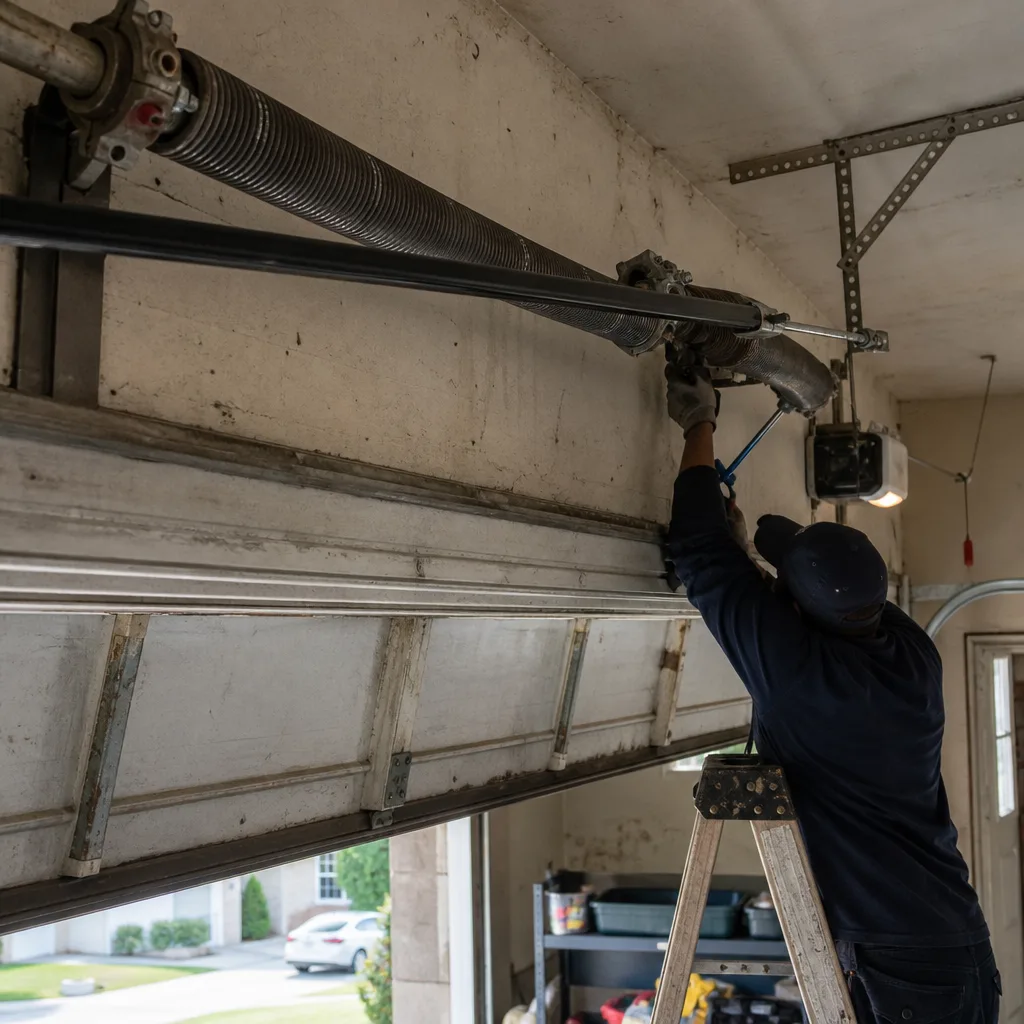 Before
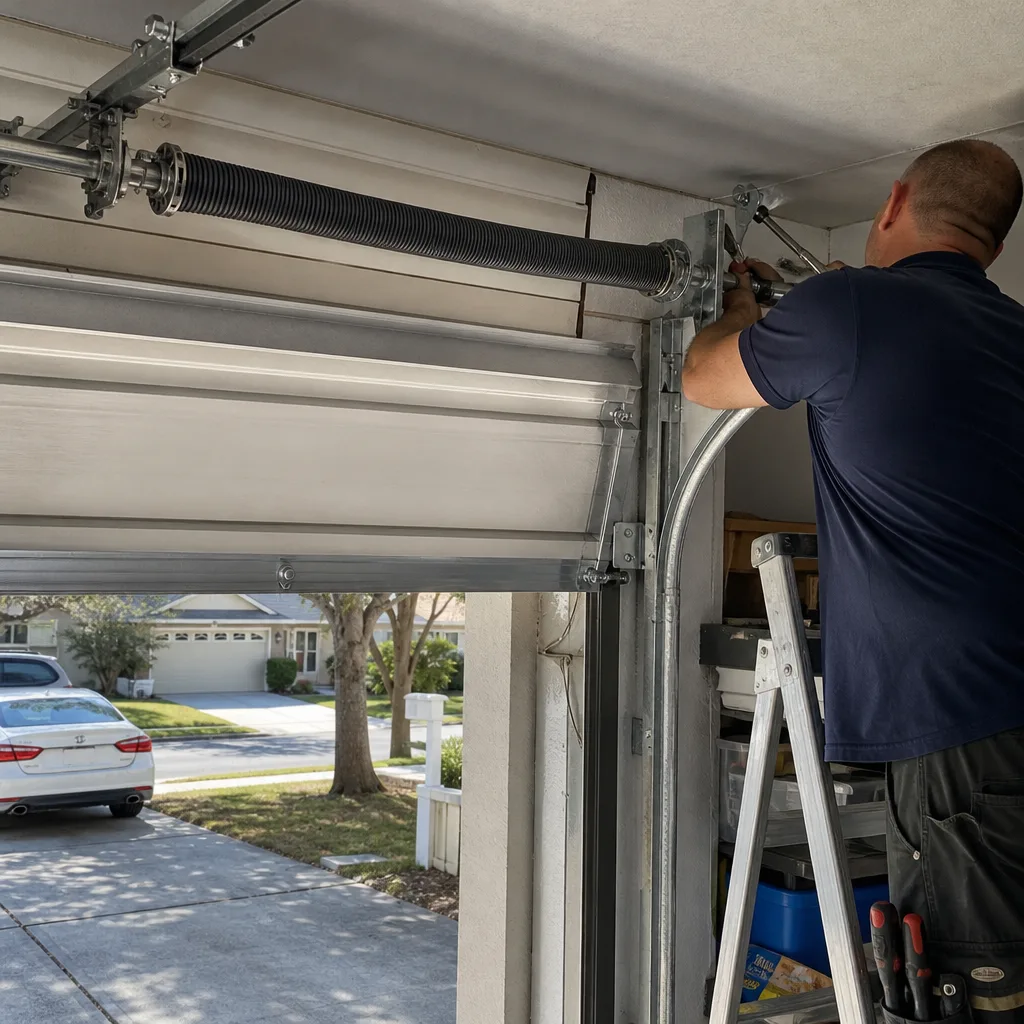 After
After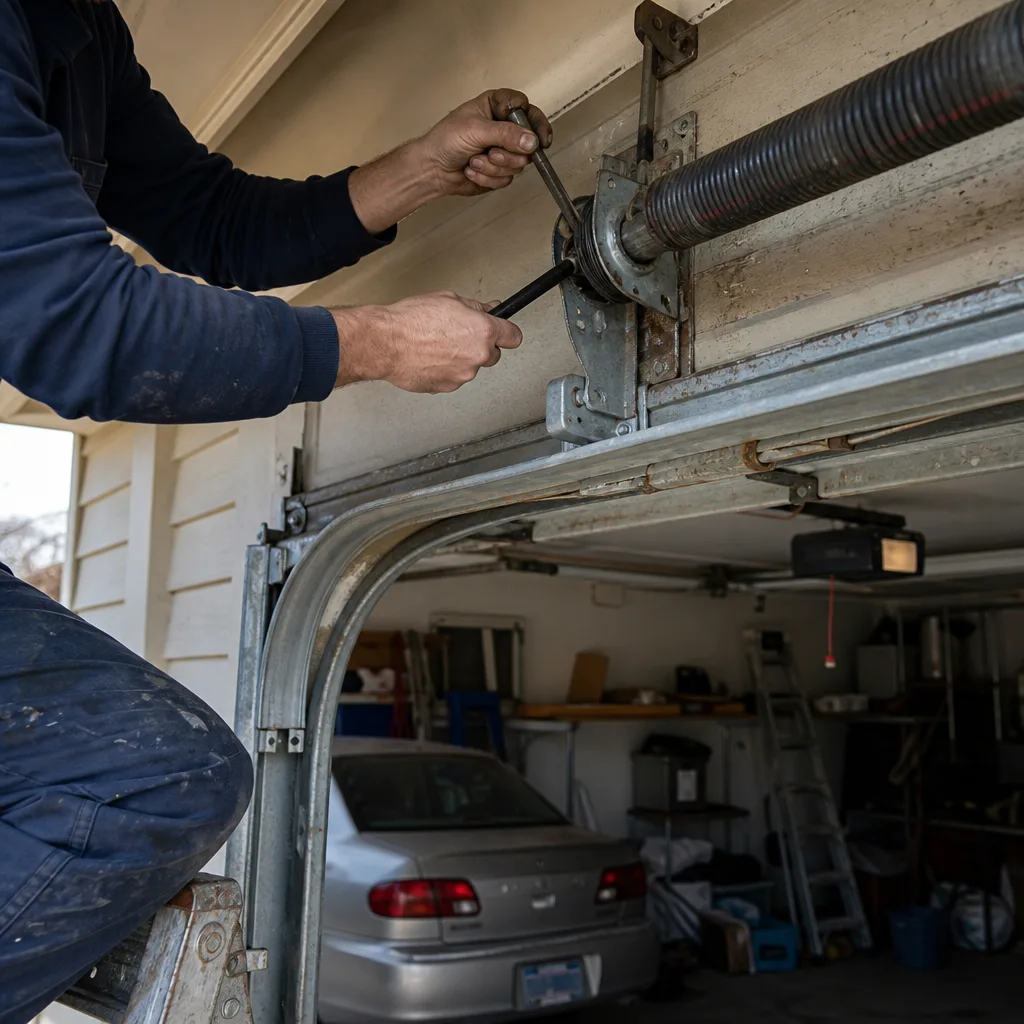 Before
 After
After Before
 After
After